What is a keloid scar?
A keloid is an overgrowth of scar tissue that extends beyond the boundary of the original cut, burn, operation, acne spot or piercing. Unlike a hypertrophic scar, which stays within the original wound, a keloid can continue to
enlarge after the skin has healed.
Keloids may feel firm or smooth and can cause itching, tenderness or pain. A scar close to a joint may also affect comfort or movement. Because other raised skin lesions can look similar, assessment is important before treatment
is considered.
Who may benefit from an assessment?
- You have a raised scar that has grown beyond the original wound
- The area is becoming larger, itchy, painful or tender
- The scar is affecting movement, clothing or day-to-day comfort
- You are considering treatment after a piercing, acne, surgery, injury or burn
- You have tried scar treatment previously and need advice about the next step
What happens at the appointment?
The clinician will ask when the scar appeared, whether it is still changing and what symptoms it causes. They may also review previous keloids, treatments, medication, allergies and any planned surgery or piercing.
The scar’s location, size, colour, thickness and relationship to the original wound will be assessed. You will then receive an explanation of the likely diagnosis, realistic treatment aims and whether treatment, monitoring or referral
is the most appropriate route.
Possible keloid management options
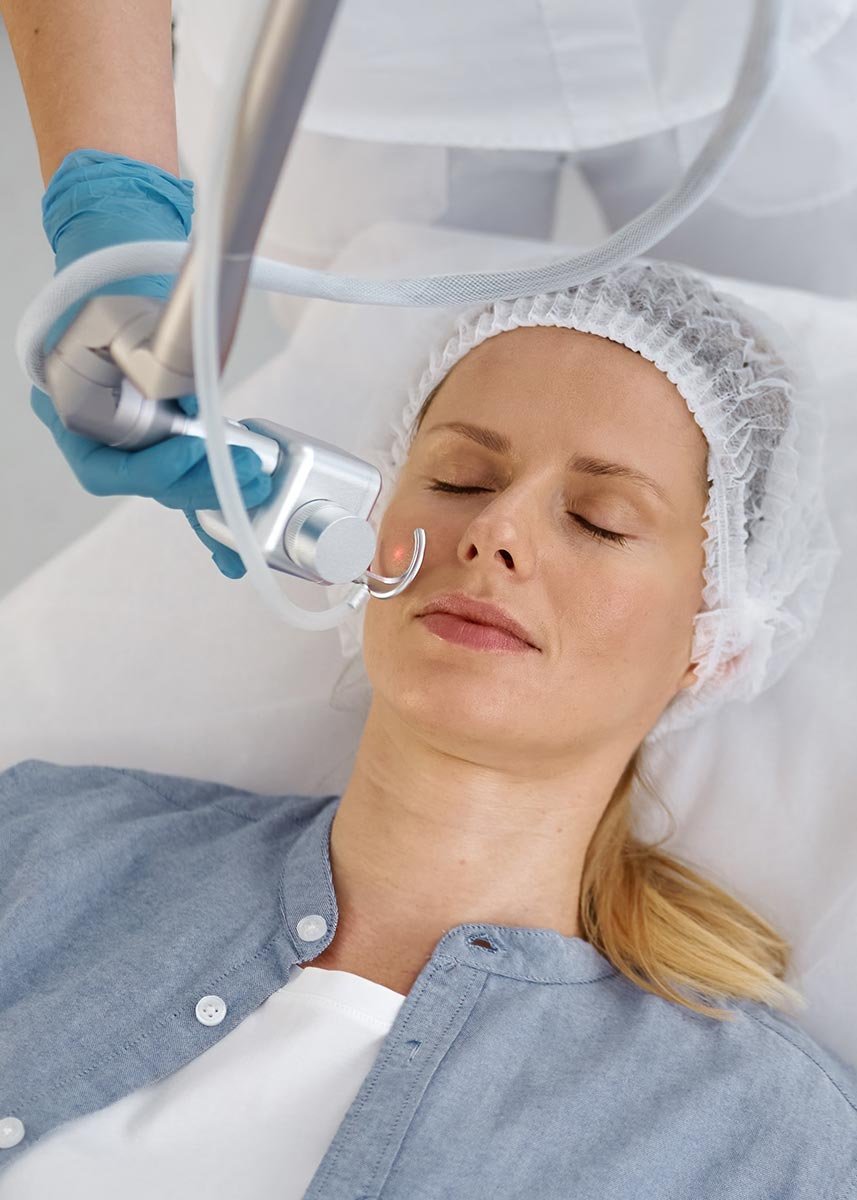
Management depends on the scar and the individual. Options discussed in clinical practice can include silicone gel or dressings, corticosteroid treatment, cryotherapy or laser treatment. Some keloids require combination treatment
or referral to another specialist service.
Surgical removal is not a simple cure: a keloid may return and can grow larger after surgery. Any procedure should therefore follow careful assessment and a discussion of benefits, risks and alternatives. The clinic will confirm
which options it can provide after reviewing suitability.
Before your consultation
- Note when the scar began and whether it is still growing
- Bring photographs showing earlier changes if available
- List previous injections, creams, silicone products, laser treatment or surgery
- Tell the clinic about medication, allergies, pregnancy or breastfeeding
- Explain whether you have developed keloids elsewhere or after previous procedures
Results and recurrence
Keloid treatment usually aims to flatten or soften the scar and reduce symptoms; complete and permanent removal cannot be guaranteed. Improvement may take time, more than one appointment may be required, and recurrence remains
possible. Your clinician should explain the likely outcome for your particular scar before treatment.
Keloid treatment FAQs
Can a keloid disappear without treatment?
Keloids do not usually flatten and fade in the same way as ordinary scars. An assessment can clarify whether treatment or monitoring is appropriate.
Are keloids contagious or cancerous?
Keloids are an overgrowth of scar tissue and are not contagious. A new, changing or uncertain skin growth should still be examined rather than self-diagnosed.
Can keloids come back after treatment?
Yes. Recurrence is possible after any treatment and is an important part of the consultation, particularly when surgery is being considered.
How many sessions will I need?
This depends on the scar’s size, site, age, symptoms and response. The clinician can discuss a likely plan only after assessment.
When should I seek medical advice promptly?
Seek medical advice if the area becomes hot, increasingly painful, swollen, starts producing pus or you are concerned it may be infected.