About this service
Cryotherapy uses a very cold substance to treat certain benign or superficial skin lesions. The diagnosis, site, skin type and expected healing response are reviewed before the clinic confirms that freezing is appropriate.

Dermatology
Controlled freezing of selected superficial skin lesions following clinical assessment.
Syno Health is located at 16 City Road, near Old Street in London.
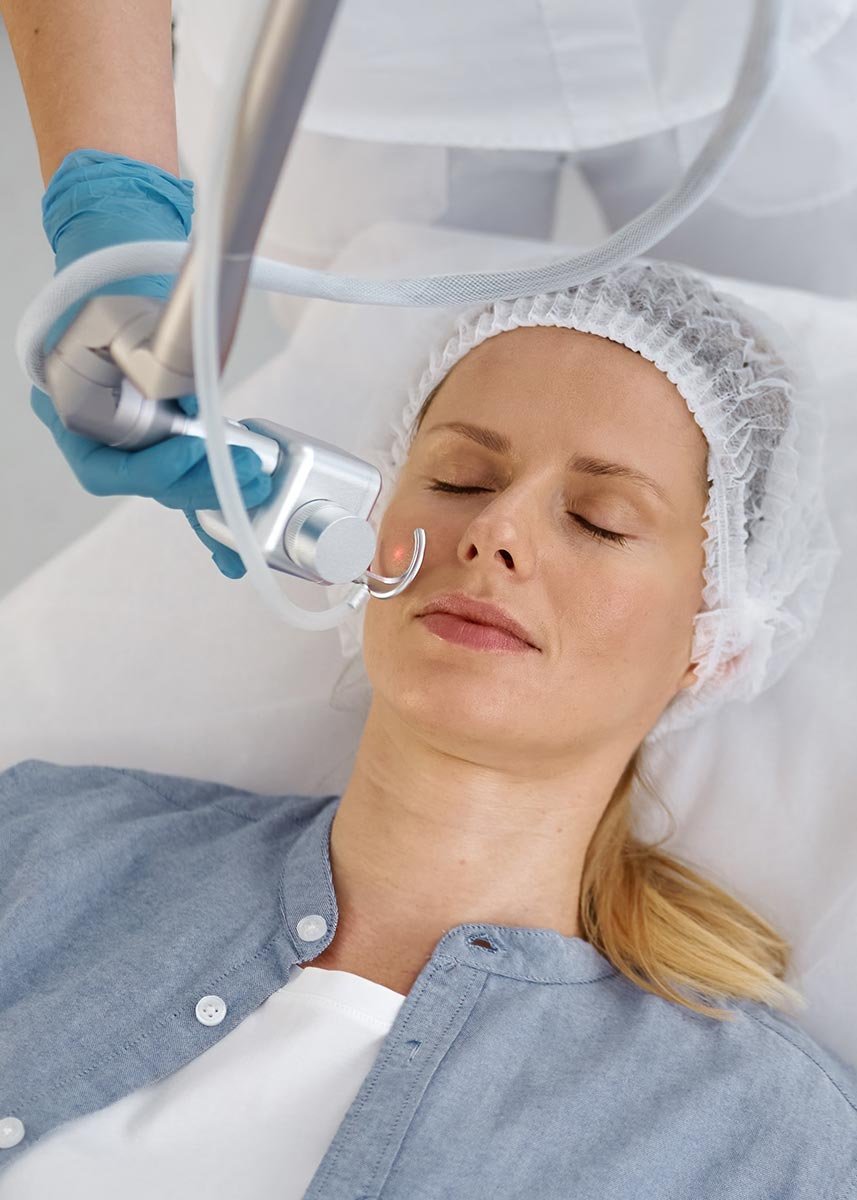
Cryotherapy uses a very cold substance to treat certain benign or superficial skin lesions. The diagnosis, site, skin type and expected healing response are reviewed before the clinic confirms that freezing is appropriate.
Cryotherapy uses controlled cold, commonly liquid nitrogen, to damage selected abnormal or unwanted skin cells. It may be considered for certain benign lesions and some sun-damaged areas, but the diagnosis and suitability must be confirmed before treatment. The treatment area, freeze time and number of cycles vary according to the lesion and its location.
The application can sting or burn briefly. Afterwards, redness, swelling or a blister may develop before a crust forms. Healing time depends on the depth of treatment and the part of the body treated. More than one session may be needed, and treatment does not guarantee that a lesion will not return.
Keep the area clean and follow the dressing advice supplied by the clinician. Possible effects include pain, blistering, bleeding, infection, scarring, temporary numbness and a lighter or darker patch of skin. Pigment change can be more noticeable or persistent in darker skin tones.
Cryotherapy is not appropriate for every lesion. Anything suspicious or uncertain may need specialist assessment or sampling instead.
Next step
Tell the team you are enquiring about Cryotherapy so they can direct you to the correct appointment.